Key Takeaways
- Best time to visit: Late April to October (dry season) with average temperatures of 30-35°C and active markets
- Must-see attractions: Mindil Beach Sunset Market (100+ stalls), Crocosaurus Cove’s Cage of Death experience, and UNESCO World Heritage Kakadu National Park
- Day trip distances: Kakadu National Park is 170km east (2.5-hour drive), while Litchfield National Park is 100km south (1.5-hour drive)
- Swimming options: Wave Lagoon (43,000 sq ft artificial lagoon) offers croc-free and jellyfish-free swimming in the city centre
- Cultural highlights: Museum and Art Gallery of the Northern Territory houses Sweetheart, a 5-metre, 780kg taxidermied saltwater crocodile caught in 1974
What Are the Best Markets and Waterfront Experiences?
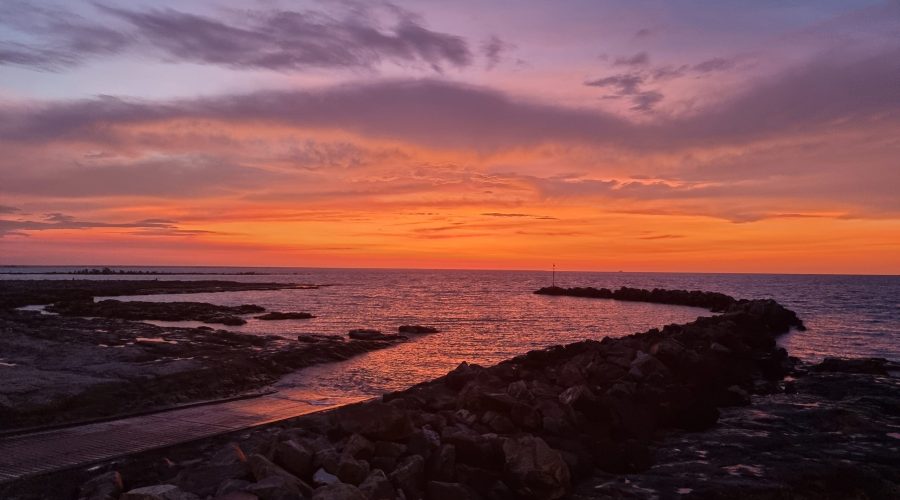
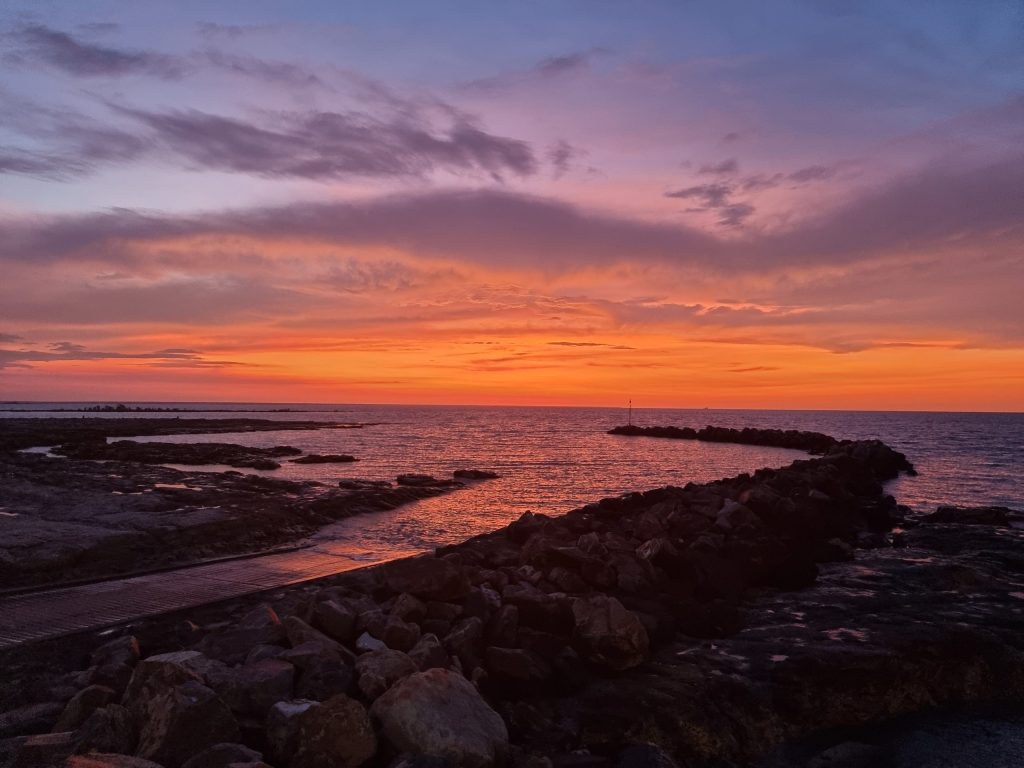
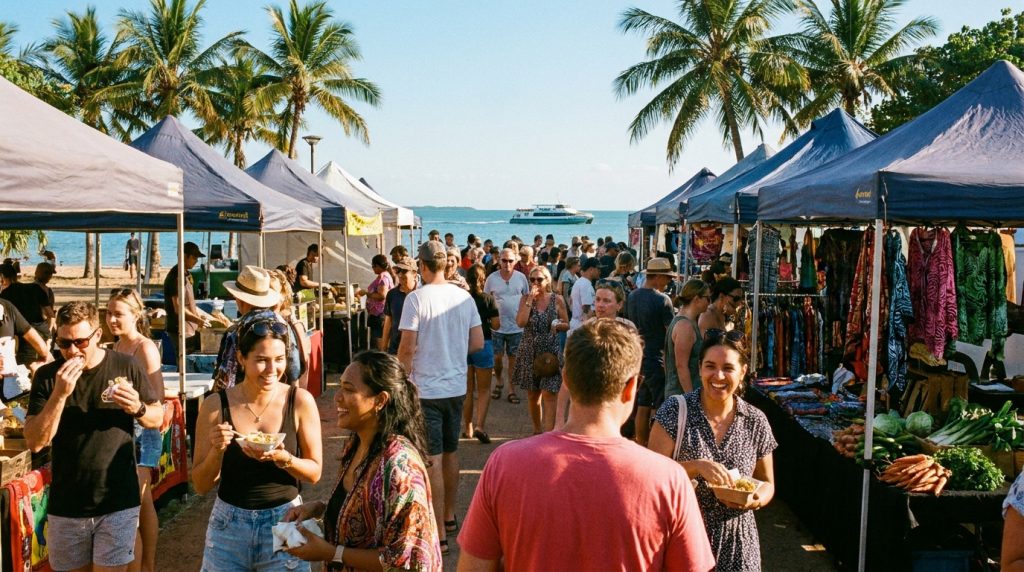
Darwin’s crown jewel is undoubtedly the Mindil Beach Sunset Market, operating exclusively during the dry season from late April to October. This vibrant evening market features over 100 stalls selling everything from aromatic curries and fresh seafood to the adventurous deep-fried crocodile. The market runs on Thursdays and Sundays from 4pm to 9pm, with free entry and some of the most spectacular sunsets over the Timor Sea you’ll witness anywhere in Australia.
Pro tip: Arrive by 5pm to secure parking near Mindil Beach, and bring cash as many stall vendors prefer it over card payments. The best sunset viewing spots fill up quickly, so grab your food early and stake out a prime position on the beach.
The Darwin Waterfront Precinct offers a completely different but equally compelling waterfront experience. The centrepiece Wave Lagoon spans 43,000 square feet and generates waves every 10 minutes, providing a safe swimming alternative to Darwin Harbour’s crocodile-inhabited waters. Entry costs AUD $8 for adults (children under 5 swim free), and the lagoon operates daily from 10am to 6pm.
Beyond swimming, the Waterfront Precinct functions as Darwin’s social hub with harbourfront dining, weekend live music, and free parking. The beach club atmosphere combined with harbour views makes it particularly popular during the late afternoon when the harbour breeze provides natural air conditioning.
Where Can You Experience Darwin's Famous Wildlife?
Crocosaurus Cove on Mitchell Street delivers Australia’s most intense crocodile encounter through the world-famous “Cage of Death” experience. This 15-minute acrylic cage dive places you face-to-face with massive saltwater crocodiles like Wendell or Baru, some weighing over 600 kilograms. The experience costs approximately AUD $250 per person and requires advance booking, particularly during peak dry season months.
The facility houses the world’s largest display of Australian reptiles, with twice-daily feeding shows and opportunities to photograph baby crocodiles. General admission runs around AUD $40 for adults, and the centre operates daily from 9am to 5pm, with the last feeding show at 4pm.
For wildlife in natural settings, Kakadu National Park covers an enormous 19,804 square kilometres and holds UNESCO World Heritage status. The park combines ancient Indigenous rock art at sites like Ubirr (dating back approximately 20,000 years) with diverse ecosystems supporting saltwater crocodiles, over 280 bird species, and unique wetland environments. Day tours from Darwin typically cost AUD $250-350 and include the famous jumping crocodile cruise along the Adelaide River.
Litchfield National Park, located 100 kilometres south of Darwin, showcases the Territory’s natural diversity through magnetic termite mounds reaching up to 4 metres tall, pristine swimming holes at Florence Falls, and walking trails through monsoon rainforest. The park requires no entry fees, though parking costs AUD $10 at popular swimming spots.
What Are Darwin's Top Cultural and Historical Attractions?
The Museum and Art Gallery of the Northern Territory (MAGNT) serves as the region’s cultural epicentre, housing the legendary Sweetheart—a 5-metre, 780-kilogram taxidermied saltwater crocodile captured in 1974. The museum’s Cyclone Tracy exhibit provides a sobering account of the 1974 natural disaster that destroyed 70% of Darwin’s buildings and reshaped the city’s identity.
MAGNT’s Indigenous art collection represents one of Australia’s most significant displays of Aboriginal and Torres Strait Islander culture, while the WWII exhibits detail Darwin’s role as the only Australian city to experience sustained enemy bombing during World War II. Adult admission costs AUD $20 (free for Northern Territory residents), and the museum operates daily from 10am to 4pm except Good Friday and Christmas Day.
Fannie Bay extends the cultural experience beyond the museum walls, offering scenic coastal views and access to WWII oil storage tunnels. The area provides perfect picnic conditions during afternoon sea breezes and serves as the gateway to East Point Reserve.
East Point Reserve combines military history with recreational facilities through preserved WWII gun emplacements and contemporary parklands. The reserve offers some of Darwin’s best harbour views and connects to walking trails suitable for morning exercise or afternoon exploration.
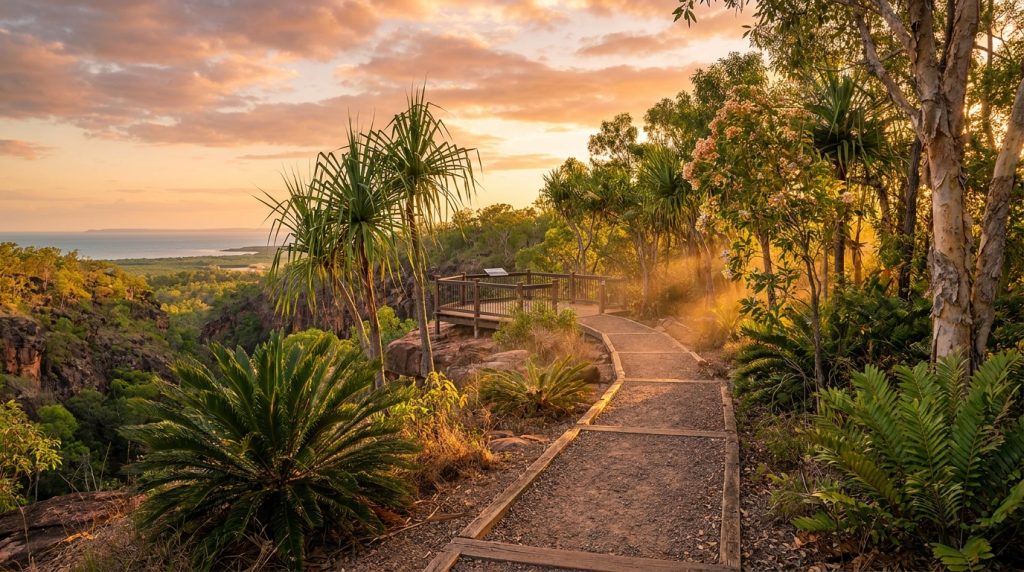
How to Plan Day Trips to Kakadu and Litchfield?
Both Kakadu and Litchfield National Parks require full-day commitments due to their distances from Darwin, but each offers distinctly different experiences that justify the travel time. Kakadu National Park sits 170 kilometres east of Darwin, requiring approximately 2.5 hours of driving each way. The park demands an entry permit costing AUD $40 per vehicle, valid for 14 days.
The most popular Kakadu day tours combine rock art viewing at Ubirr with wildlife spotting and the jumping crocodile cruise. Guided rock art tours prove essential for understanding the cultural significance and artistic techniques of Indigenous paintings that span thousands of years. The best visiting window runs from May through September when road conditions remain optimal and wildlife congregates around permanent water sources.
Litchfield National Park provides a more accessible day trip option at 100 kilometres south of Darwin. The park’s magnetic termite mounds create an otherworldly landscape, while swimming holes like Florence Falls offer refreshing relief from tropical heat. Unlike Kakadu, Litchfield requires no entry fees, though popular swimming areas charge AUD $10 for parking.
Pro tip: Book combination tours that include both Litchfield’s waterfalls and the jumping crocodile cruise for maximum value, typically ranging from AUD $200-300 per person. These tours eliminate driving fatigue and provide expert commentary about the region’s ecology and Indigenous heritage.
| Attraction | Distance from Darwin | Travel Time | Entry Cost | Best Season |
|---|---|---|---|---|
| Kakadu National Park | 170km east | 2.5 hours | AUD $40/vehicle | May-September |
| Litchfield National Park | 100km south | 1.5 hours | Free (parking AUD $10) | April-October |
| Mindil Beach Market | 5km from CBD | 20 minutes | Free entry | April-October |
| Crocosaurus Cove | Mitchell Street | Walking distance | AUD $40 entry | Year-round |
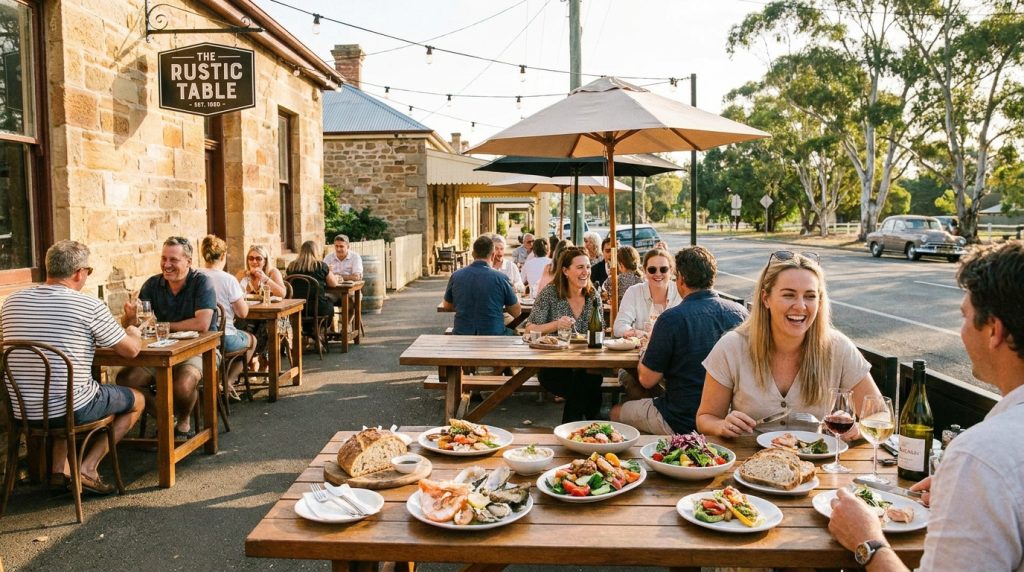
Best Swimming and Beach Activities
Darwin’s tropical location creates a swimming paradox—surrounded by water but limited by saltwater crocodiles and potentially dangerous marine life. The Wave Lagoon at Darwin Waterfront solves this problem with artificial waves, shallow kids’ areas, and guaranteed safety from native wildlife. The lagoon operates year-round from 10am to 6pm, charging AUD $8 for adults while children under 5 swim free.
Mindil Beach itself offers beautiful stretches of sand perfect for sunset viewing and market nights, though swimming remains inadvisable due to marine stingers and crocodiles. The beach excels as a social gathering point, particularly during the famous Thursday and Sunday markets when thousands of locals and tourists converge for food, music, and spectacular sunsets over the Timor Sea.
For natural swimming experiences, day trips to Litchfield National Park provide access to pristine plunge pools beneath waterfalls. Florence Falls and Wangi Falls offer crystal-clear swimming holes surrounded by monsoon rainforest, though water temperatures remain refreshingly cool year-round. These natural pools require early morning visits to avoid crowds, particularly on weekends and during school holidays.
East Point Reserve includes a recreation area with barbecue facilities and coastal access, though swimming conditions vary seasonally. The reserve’s main appeal lies in its military history displays and harbour views rather than beach activities.
Where to Stay for Maximum Convenience
When planning your Darwin adventure, accommodation location significantly impacts your ability to experience the city’s diverse attractions. Cullen Bay Resorts provides an ideal base with marina views and easy access to both the city centre and major attractions. The resort’s location in Cullen Bay places guests within a short drive of Mindil Beach markets, the Waterfront Precinct, and departure points for Kakadu and Litchfield day tours.
The Cullen Bay area itself offers waterfront dining, marina walks, and a more relaxed atmosphere compared to the bustling city centre. This positioning allows visitors to enjoy Darwin’s urban attractions while maintaining a resort-like retreat for evening relaxation.
Pro tip: Choose accommodation with parking facilities if you plan to explore Kakadu or Litchfield independently, as these day trips require reliable vehicle access. Many city centre hotels charge premium rates for parking, while resort locations often include free parking in their rates.
Seasonal Considerations and Weather Planning
Darwin’s tropical climate creates two distinct seasons that dramatically affect visitor experiences. The dry season (late April through October) delivers ideal conditions with average temperatures of 30-35°C, minimal rainfall, and active markets and outdoor events. This period sees Mindil Beach Sunset Market in full swing, optimal swimming conditions at Litchfield’s waterfalls, and accessible road conditions for Kakadu exploration.
The wet season (November through March) transforms Darwin into a lush, humid environment with afternoon thunderstorms and occasional cyclones. While many outdoor markets close during this period, indoor attractions like Crocosaurus Cove, MAGNT, and the Wave Lagoon continue normal operations. Accommodation rates typically drop during the wet season, though some tour operators reduce services to remote locations.
Wildlife viewing actually improves during the late wet season when water levels concentrate animals around accessible locations. The jumping crocodile cruises continue year-round, though weather conditions occasionally force cancellations during severe storms.
Frequently Asked Questions
When is the best time to visit Darwin for markets and outdoor activities?
The optimal visiting period runs from late April through October during the dry season. Mindil Beach Sunset Market operates only during these months (Thursdays and Sundays, 4-9pm), while average temperatures of 30-35°C provide comfortable conditions for outdoor exploration. This period also ensures reliable road access to Kakadu and Litchfield National Parks.
How much should I budget for a Kakadu National Park day tour?
Kakadu day tours typically cost AUD $250-350 per person, including transportation, guided rock art tours, and jumping crocodile cruise. Self-drive options require a AUD $40 vehicle entry permit plus fuel costs (approximately AUD $60-80 for the 340km round trip). Additional costs include meals and optional helicopter flights over the escarpment.
Is the Cage of Death experience at Crocosaurus Cove worth the cost?
The Cage of Death provides a unique 15-minute encounter with massive saltwater crocodiles for approximately AUD $250 per person. The experience includes underwater viewing, professional photography, and educational commentary. Booking requires advance notice (particularly during dry season), and participants must be comfortable climbing a ladder and swimming. Many visitors consider it Darwin’s most memorable activity despite the premium price.
Can you swim safely in Darwin's natural waterways?
Swimming in Darwin Harbour, beaches, and rivers is strongly discouraged due to saltwater crocodiles and potentially dangerous marine stingers. Safe swimming options include the Wave Lagoon at Darwin Waterfront (AUD $8 entry) and natural pools at Litchfield National Park’s Florence Falls and Wangi Falls, which remain crocodile-free due to their elevation and water flow.
How far in advance should I book tours and attractions?
Popular experiences like the Cage of Death at Crocosaurus Cove and Kakadu day tours require 2-7 days advance booking during dry season peak months (June-August). Mindil Beach Sunset Market requires no booking, while Wave Lagoon and MAGNT accept walk-in visitors year-round. Tour operators typically offer better rates for advance bookings and can guarantee availability during busy periods.